Upright vs reversed Tarot cards
Table of Contents
Let’s talk about those upside-down cards that show up in readings. Do they mean bad luck? Nope. Do you have to use them? Also nope.
Reversals can look intimidating at first, but they’re just another way the cards speak. You get to decide if and how you want to include them in your readings.
Traditionally, Tarot Includes Reversals
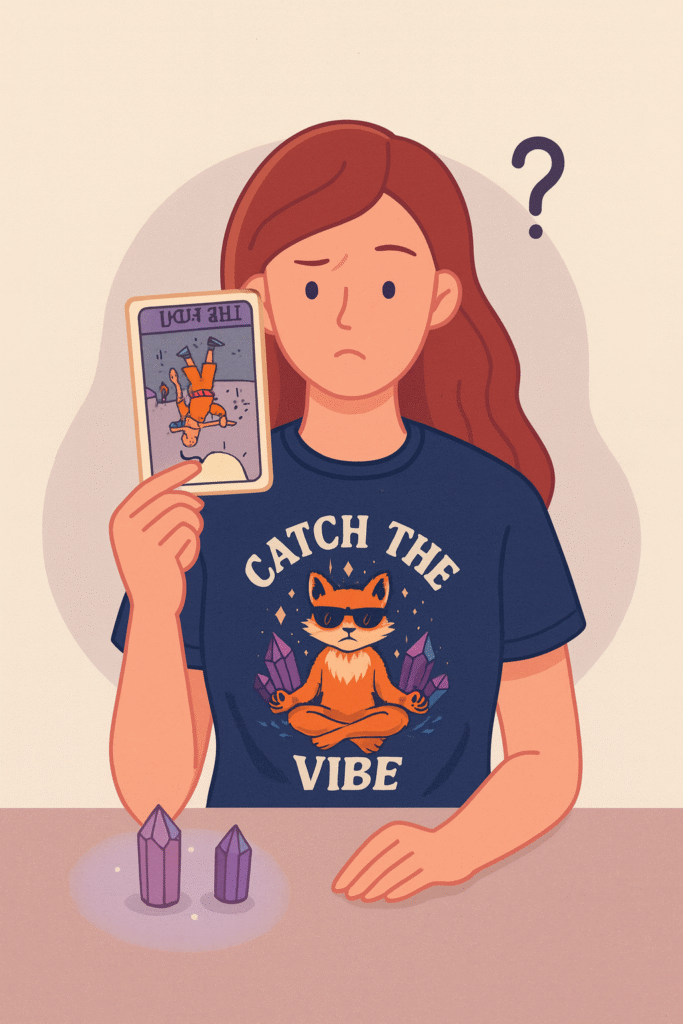
In classic tarot, cards are meant to be read both upright and reversed. A reversed card can reflect many meanings in Tarot, which can be overwhelming at first.
But here’s the truth, you’re in charge.
If your deck doesn’t include reversals or you’re not ready to use them, that’s completely okay. You can set your own intention before every reading. Try saying something like:
“If a reversed message is needed, I’ll feel it intuitively.”
“If a card appears reversed, I’ll read it as an area needing extra attention.”
“If a reversed card comes up, I’ll read it as the shadow or internal side of the energy.”
“I choose to read all cards upright today.”
Every single one of those choices is valid. There’s no wrong way to do it, and the tarot police are not going to show up at your door.
Learning Uprights First Is 100% Valid
When I first started reading, I only used upright cards. It made everything so much simpler and helped me really get to know my deck. Looking back, I’m glad I did it that way.
Learning the upright meanings first helps you form a strong connection and understand the natural flow of each card’s energy. Then, when you’re ready to bring in reversals, you’ll already have that solid foundation to build on.
So if you’re only using upright cards right now, that’s perfect. You’re doing it right.
Different Ways to Read Reversals
When you feel ready, you can explore how reversed cards want to speak to you. There’s no single correct way. Reversals simply offer a deeper or different perspective on the same card.
Here are a few common ways to read them:
- Energy Block or Delay: Something about the card’s energy is paused, stuck, or waiting for action.
- Internal Reflection: The meaning is turned inward, representing personal growth or inner work.
- Shadow Side: The reversed card points to what’s hidden, avoided, or unhealed.
- Opposite or Contrast: The reversed version expresses the opposite energy (for example, upright = clarity, reversed = confusion).
- Amplified Message: Some readers see reversals as an exclamation point, pay extra attention to this card! (My personal fav at first & for oracle.)
You can mix and match these approaches until you find what feels natural. Tarot grows with you.
Beginner Tarot Tips
Even within the traditional system, you’re free to personalize how your cards speak.
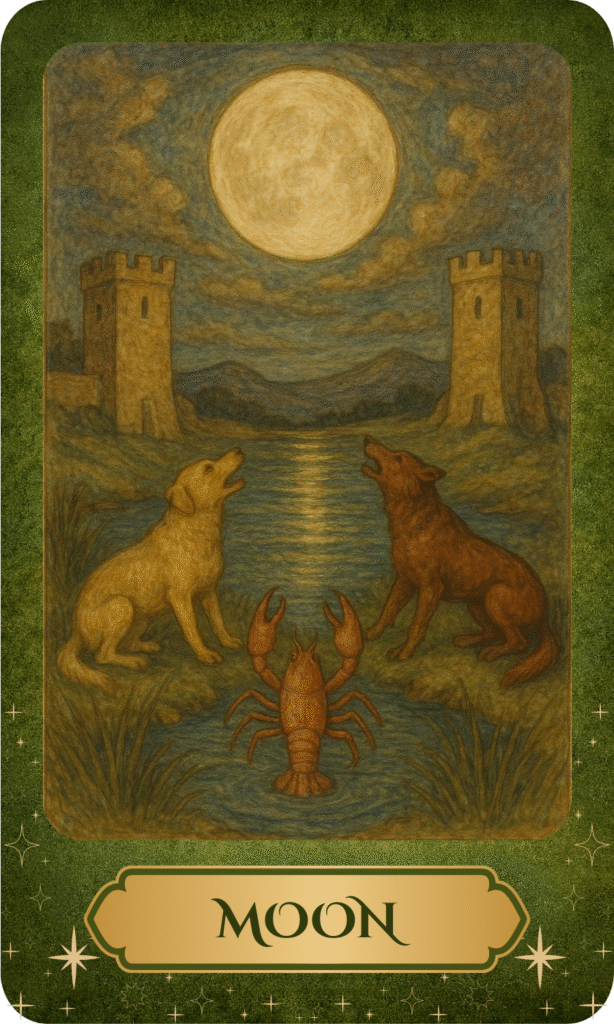
For example, The Moon card is often described as secrets or illusions, but I read it as intuition, mystery, and unseen guidance. I made that shift intentionally because that’s what it means to me.
You’re welcome to do the same. If a card doesn’t resonate with its “book meaning,” rewrite it. It’s your deck, your language, your energy.
Practice Exercise
- Pull one card from your deck.
- Read it upright and write down your impression.
- Flip it upside down and tune in. Does it feel blocked, quieter, deeper, or shadowed?
- Write down that meaning, too.
- Over time, you’ll start building your own intuitive reversal guide.
There’s no right or wrong here, only what feels aligned for you.
Trust Your Way of Reading
At the end of the day, tarot isn’t about memorizing a rulebook, it’s about building a relationship with your deck. Whether you read uprights only, use reversals, or switch it up depending on your mood, your intention is what makes the reading powerful.
Don’t let tradition or fear hold you back. Try things out. See what feels natural. The more you practice, the more your cards will start speaking your language.
And remember, the tarot police are still not coming for you, so have fun with it.
If you want to keep track of how upright and reversed cards show up for you, grab your Tarot Journal in the shop on NicholesSecretGarden.com. It’s the perfect place to record your pulls, jot down reversal insights, and watch your personal meanings unfold over time.
You’ll be amazed how your connection deepens just by journaling what you notice.
Mantra
“I trust my intuition to guide how I read the cards, upright or reversed.”
Journal Prompt
Do reversals feel confusing, exciting, or unnecessary to you right now? What does that say about how you approach your readings?
Tarot Reversals FAQ
FAQ 1: Do I have to read reversed tarot cards?
No, you don’t have to read reversed cards at all. Many beginners choose to read only upright cards until they’re comfortable. Tarot reversals are simply another layer of meaning, not a requirement. Your intention and intuition guide how you read.
FAQ 2: What does a reversed tarot card mean?
A reversed tarot card can show where energy is blocked, slowed down, or turned inward. Some readers view reversals as shadow meanings or opposite expressions of the upright card. It’s completely up to you which approach feels right. Many tarot deck booklets even include reversed meanings to help you get started, so check yours to see if it offers guidance.
FAQ 3: What if my tarot deck doesn’t include reversals?
Some decks, especially oracle decks, aren’t made for reversals, and that’s okay. You can still sense “reversed” or shadow energy intuitively or set the intention that you’ll feel those messages without flipping cards.
FAQ 4: How can I practice reading upright vs reversed tarot cards?
Start simple. Pull one card upright and write what it means to you. Then flip it upside down and see how the energy feels. Does it seem blocked, internal, or shadowed? Journal both versions. Over time, you’ll build your own understanding of upright vs reversed tarot cards.
FAQ 5: Are reversed tarot cards negative?
Not at all. Reversed tarot cards don’t mean something bad, they just reveal different aspects of the same energy. A reversed card might show reflection, resistance, or inner work rather than external change. It’s a chance to explore depth, not doom.
FAQ 6: Can science explain intuition in tarot reading?
Yes. Research suggests intuition is our brain’s natural ability to recognize patterns and process experiences quickly, often before we’re even aware of it. This is the same intuitive awareness that helps tarot readers interpret energy and symbolism. For a deeper look, check out Harvard Business’s article on data and intuition.