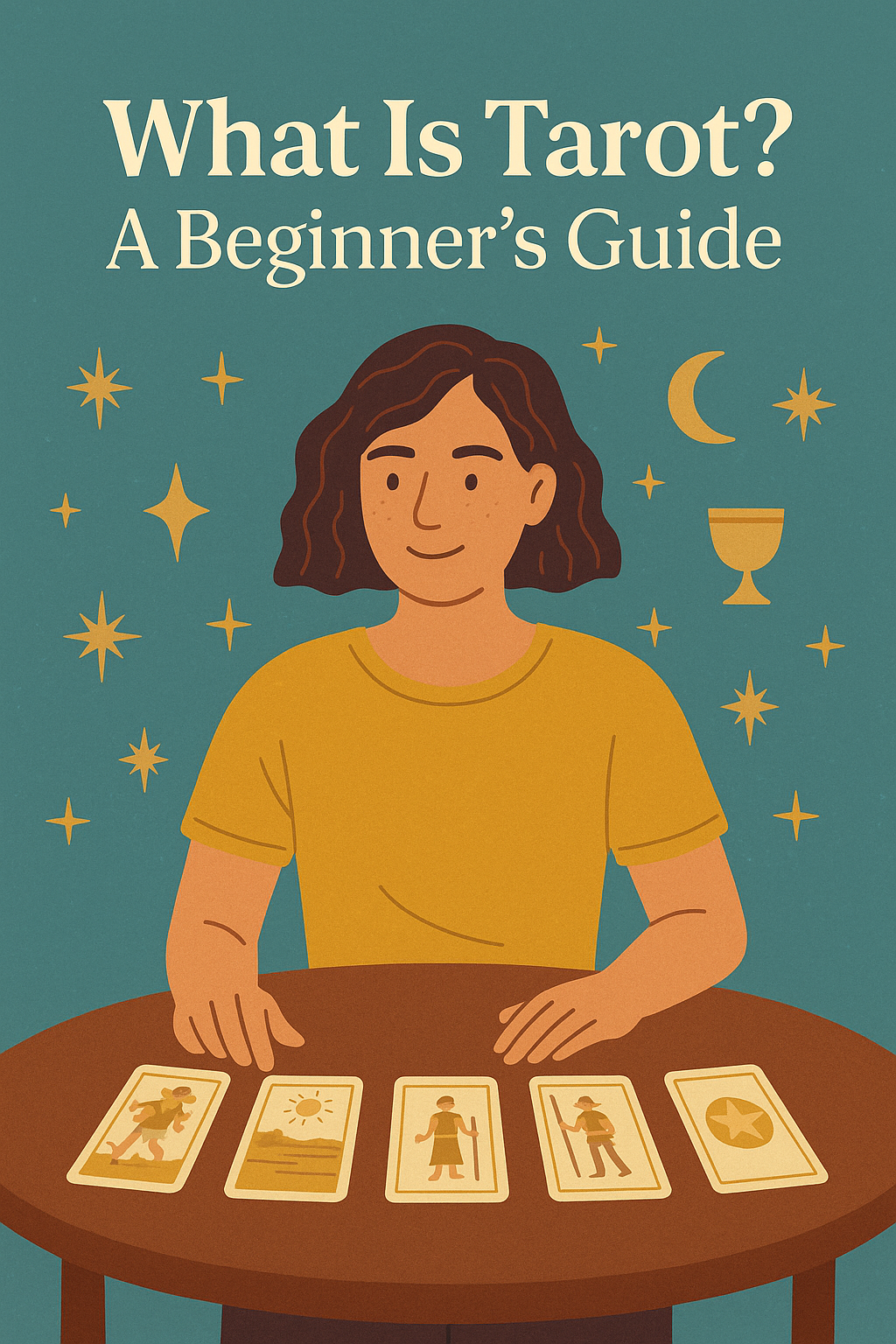
What is Tarot?
Tarot has always carried an air of mystery. You might have seen the cards in movies, spotted a deck tucked away in a bookstore, or maybe even had a reading that left you wondering how those little pictures could possibly know so much. The truth is, Tarot is not about fortune-telling in the way people often imagine. At its core, Tarot is a tool for self-reflection, intuition, and spiritual growth.
A Brief History
Tarot did not begin as a mystical practice. The earliest decks appeared in Europe in the 1400s as part of a card game. Over time, people began noticing the rich symbols layered into the imagery, and spiritual seekers started using the cards for insight. By the early 20th century, the Rider-Waite-Smith deck was published, and its bold symbolism became the foundation for many modern decks. Today, you can find Tarot in countless styles, but the structure remains the same.
When I bought my very first deck, I had no idea about the history. I just knew the artwork pulled me in. That is often how it starts. You feel a connection before you even know why.
The Structure of a Tarot Deck
A standard Tarot deck has 78 cards, and each card plays a role in telling a story. The first group is the Major Arcana, which contains 22 cards that symbolize major life themes and spiritual lessons. These cards mark the big turning points in our lives, such as The Fool’s leap into the unknown or The World’s sense of completion and wholeness.
The rest of the deck is the Minor Arcana, which reflects daily experiences. These 56 cards are divided into four suits: Wands, Cups, Swords, and Pentacles. Each suit focuses on a different area of life. Wands are about passion and creativity, Cups connect to emotions and relationships, Swords reflect intellect and challenges, and Pentacles speak to work, money, and the physical world. Together, the Majors and Minors create a language that can reflect both the profound and the practical sides of life.
How Tarot Works
When people first sit down with the cards, they often expect Tarot to tell them exactly what will happen next week. But Tarot does not lock you into one version of the future. Instead, it acts like a mirror, reflecting your current energy, emotions, and choices. The images on the cards spark your intuition, allowing you to recognize what you already know deep down. In this way, Tarot becomes less about prediction and more about awareness.
Common Myths About Tarot
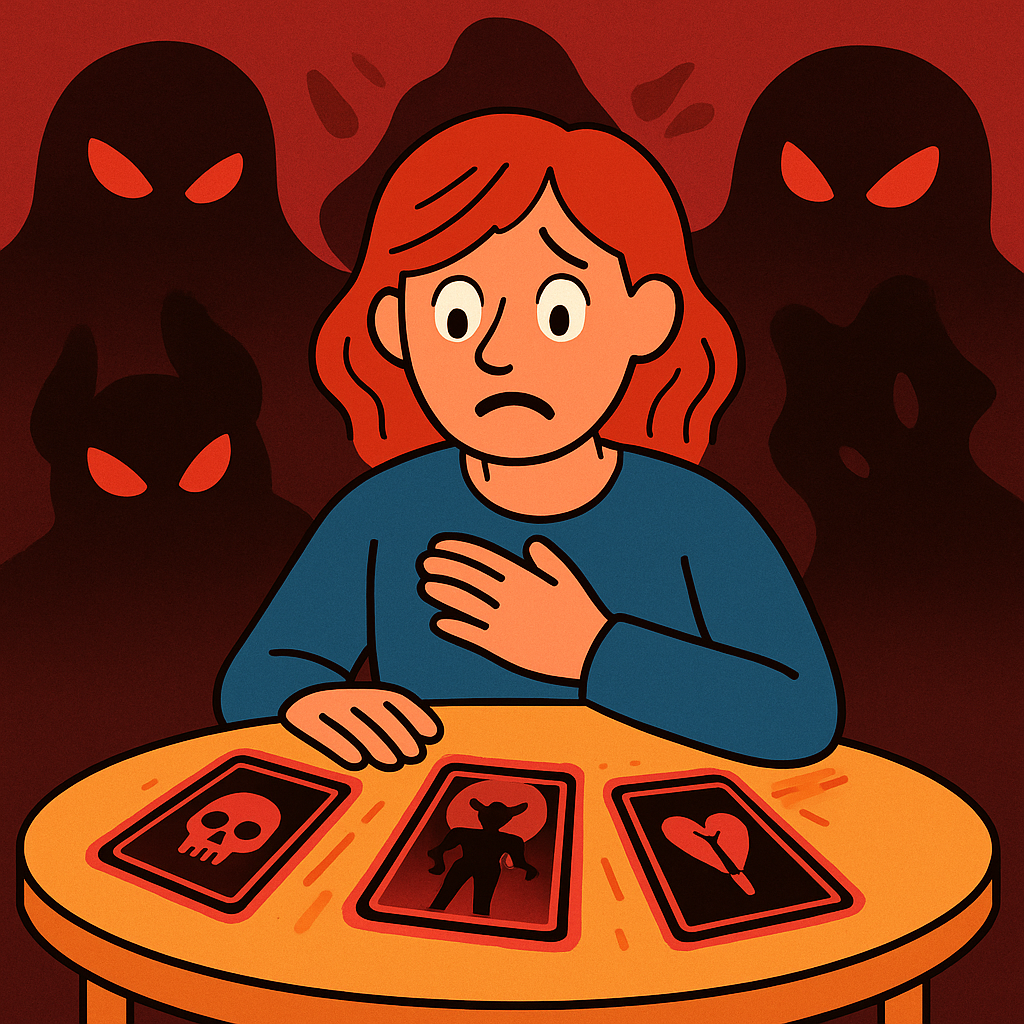
When I first came across Tarot, I had so many misconceptions. I honestly thought it was only for people with special gifts, that it was scary, and that it could predict my future word for word. The truth could not be more different. After learning, I discovered that Tarot is actually a fun and useful tool for looking inside yourself. You can make it what you want, and it is not frightening at all. It is beautiful, symbolic, and thought-provoking.
Here are a few of the most common myths you might have heard too:
- Tarot is evil or dangerous. The cards are simply paper and ink. They do not hold power on their own. The energy and intention you bring to them is what matters.
- You need to be psychic to read. Anyone can learn Tarot. Your intuition is your guide, and the more you practice, the stronger it becomes.
- Tarot tells a fixed future. The future is fluid. Tarot highlights paths and possibilities, not a locked-in destiny.
- You must follow the guidebook exactly. The guidebooks are useful, but your impressions and feelings about a card are just as important.
Beginning Your Practice
Starting with Tarot does not have to feel overwhelming. I remember when I picked up my first deck, I thought I had to memorize every meaning before I could even shuffle. That is not true at all. The best way to learn is to spend time with the cards and let them speak to you.
Here are a few things that helped me when I was starting out:
- Choose a deck you connect with. For me, the Rider-Waite style is a favorite because the symbolism is clear and timeless. You may be drawn to another style, and that is perfectly fine.
- Spend time with the imagery. What imagery pops out or speaks to you?
- Pull a daily card. One of the easiest practices is asking, “What energy do I need to focus on today?” Sometimes you may feel stumped at first, but that is part of the learning process.
- Keep a journal. You may want to reference back to readings and different understandings of cards.
Why People Use Tarot
People are drawn to Tarot for many reasons. For some, it is a spiritual tool that helps them connect with their higher self or divine guidance. For others, it is a way to sort through feelings, make decisions, or spark creativity. Writers, artists, and dreamers often use Tarot to break through blocks and inspire new ideas. What unites all these uses is empowerment. Tarot does not hand you answers. It helps you uncover the answers you already hold.
Be patient with yourself as you learn. Tarot is a journey, not a race. Instead of worrying about getting every meaning right, focus on how the cards speak to you in the moment. Create a calm space for your readings, even if it is just a quiet corner and a few deep breaths. And remember, your intuition is the most important guidebook you will ever have.
Mantra
“The wisdom I seek already lives within me. Tarot simply helps me hear it more clearly.”
Journal Prompt
Pull one card today. Without looking at a guidebook, write for five minutes about what the image makes you feel and what it might be saying about your life right now.